UV Self-Cleaning Litter Box: Fresher Air, Less Scooping
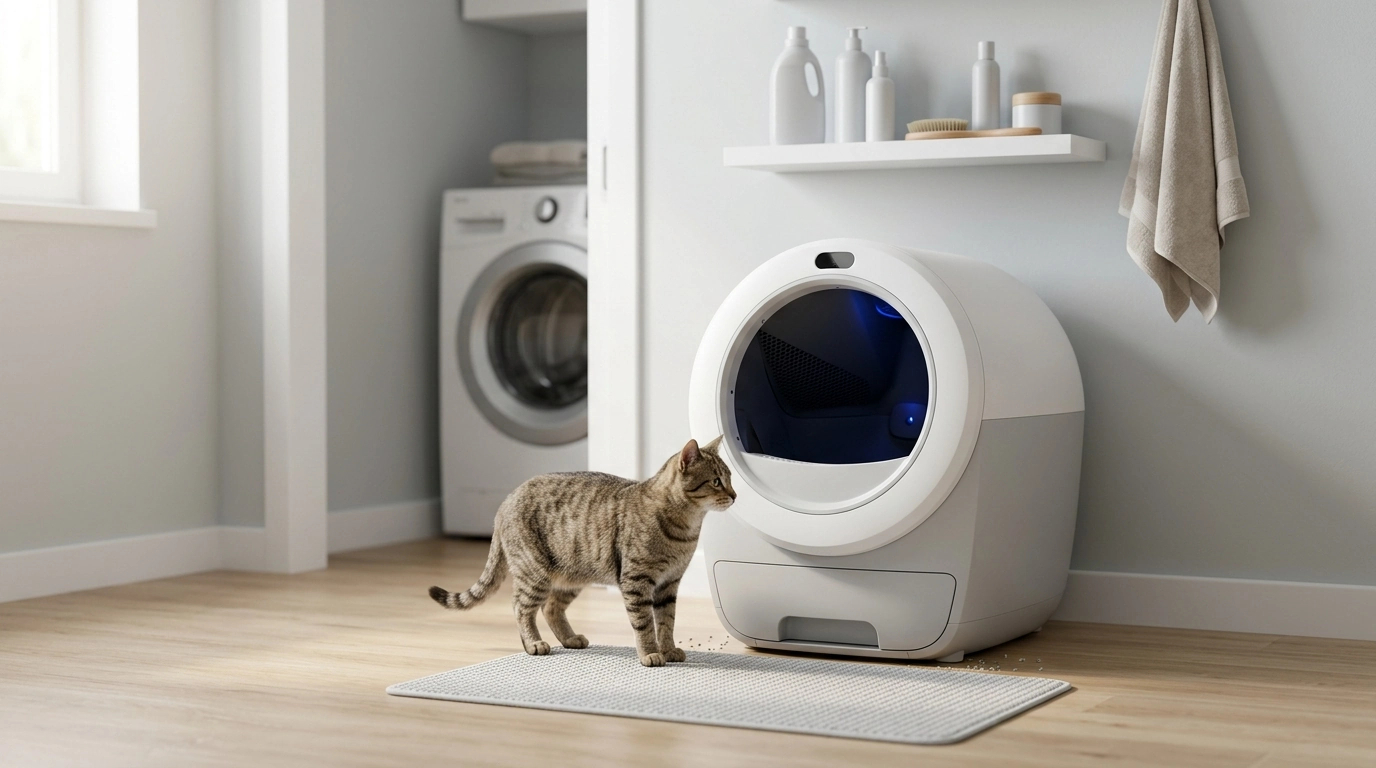
Smart Self-Cleaning Cat Litter Boxes: Why They Feel Like a Daily Reset
A smart self-cleaning litter box can make the litter area feel “new” more often—less odor hanging in the air, fewer visible clumps, and far less day-to-day scooping. That matters most in small apartments, busy households, and multi-cat homes where waste builds up quickly. Models that add automatic UV sterilization take a layered approach to hygiene by pairing fast waste removal with supplemental surface sanitizing between deeper cleanings.
If you’re considering an upgrade, the goal is simple: pick a unit your cat will actually use, set it up in a low-stress way, and maintain it so sensors, seals, and moving parts stay dependable.
What Makes a Smart Self-Cleaning Litter Box Different
Traditional boxes rely on the owner to remove waste before odor and bacteria accumulate. Smart automatic boxes shift that work to the machine—usually right after your cat exits—so the litter bed stays cleaner throughout the day.
- Automatic cleaning cycles move clumps into a sealed compartment, reducing smell and visible mess.
- Smart controls may include app scheduling, usage logs, and alerts for a full waste drawer or abnormal activity patterns.
- UV sterilization is designed to reduce microbial load on exposed interior surfaces between cleanings (it’s supplemental, not a replacement for routine washing).
- Enclosed designs can improve splash control and odor containment, but they need adequate ventilation and enough interior space for your cat to turn and posture comfortably.
How Automatic UV Sterilization Fits Into Litter Hygiene
UV-C light can inactivate many bacteria and viruses on surfaces when the dose and exposure time are sufficient. Real-world performance depends heavily on the device design—especially whether light is blocked by litter granules, waste residue, or shadows in corners. For background on UV safety and basics, the U.S. Food & Drug Administration (FDA) overview of UV radiation is a helpful reference.
For a UV-equipped litter box, prioritize safety engineering over marketing claims:
- Safety interlocks should prevent UV operation when a cat is detected nearby or if the unit is opened.
- Best timing is typically after a cleaning cycle, when fewer clumps and less debris block the light.
- Still necessary: periodic deep cleaning, fresh litter replacement, and careful waste handling for consistent odor control and reliability.
| Step | What it addresses | Owner effort |
|---|---|---|
| Automatic sifting/raking | Removes clumps quickly to limit odor buildup | Low (set schedule or auto-trigger) |
| Sealed waste drawer | Contains smells and reduces tracking of waste | Low (empty when full) |
| UV sterilization cycle | Reduces microbes on exposed surfaces between deep cleans | Very low (automatic) |
| Monthly deep clean | Removes residue/film and keeps sensors accurate | Medium (disassemble/wipe and dry) |
Key Features to Evaluate Before Buying
Small design details often determine whether an automatic box is a dream purchase or a stressful one. These are the features that tend to matter most over time:
For broader litter box selection guidance (size, location, and household dynamics), the American Veterinary Medical Association (AVMA) litter box guidance is a practical baseline.
Setup and Transition Plan for Picky or Anxious Cats
Daily, Weekly, and Monthly Maintenance Checklist
- Daily / every other day: Check waste drawer status, confirm no clumps are stuck on the base, and top up litter to the recommended fill line.
- Weekly: Wipe the entry lip and nearby floor, inspect sensors for dust, and make sure the liner/bag is seated correctly in the waste bin.
- Monthly: Empty completely, wipe the interior with a pet-safe cleaner, rinse and fully dry removable parts, and inspect moving components for trapped granules.
- Replace consumables as needed: waste bags/liners, odor filters, and any manufacturer-recommended parts.
- Safe handling: Use gloves and wash hands after handling waste. If pregnancy or immune compromise is a concern, follow CDC guidance on reducing toxoplasmosis risk: CDC toxoplasmosis prevention.
Common Issues and Quick Fixes
Product Overview: Smart Self-Cleaning Cat Litter Box with Automatic UV Sterilization
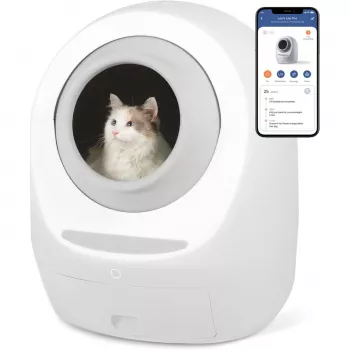
The Smart Self-Cleaning Cat Litter Box with Automatic UV Sterilization is built to automate waste removal and add UV-based surface sanitizing between cleanings for a fresher litter area. It’s a strong fit for odor-sensitive spaces, multi-cat routines, and owners who want more hands-off cleanliness without losing awareness of daily litter box habits.
| Item | Details |
|---|---|
| Product | Smart Self-Cleaning Cat Litter Box with Automatic UV Sterilization |
| Price | 687.32 USD |
| Availability | In stock |
| Product page | View product |
Small Comfort Upgrades That Help Cats Adjust
If your cat is hesitant, improving the immediate environment around the litter area can help. A softly lit corner can make nighttime visits feel less startling without turning the space into a bright, high-alert zone. If you need ambient lighting near the litter zone, consider a dedicated floor lamp placed safely out of paw range, such as the Nordic Lava Led Floor Lamp, to keep the path visible while you fine-tune the litter box schedule and noise exposure.
FAQ
Is UV sterilization safe for cats in an automatic litter box?
It can be safe when the unit uses an enclosed design and reliable safety interlocks. UV should only run when pets aren’t present, with presence sensors and automatic shutoff if a cat approaches or the lid opens.
What litter works best in a self-cleaning litter box?
Clumping litter is the best match for most automatic systems because it forms cohesive clumps that separate cleanly. Very lightweight or non-clumping litters can reduce performance, so it’s important to follow the unit’s approved litter types and maintain the correct fill level.
How often does the waste drawer need to be emptied?
It depends on the number of cats and the drawer size, but many homes land somewhere between every few days and once a week. Empty it whenever it reaches the “full” level to prevent odor buildup and reduce the chance of jams.








Leave a comment