Small Wet/Dry Vacuum Guide for Spills, Cars & Corners
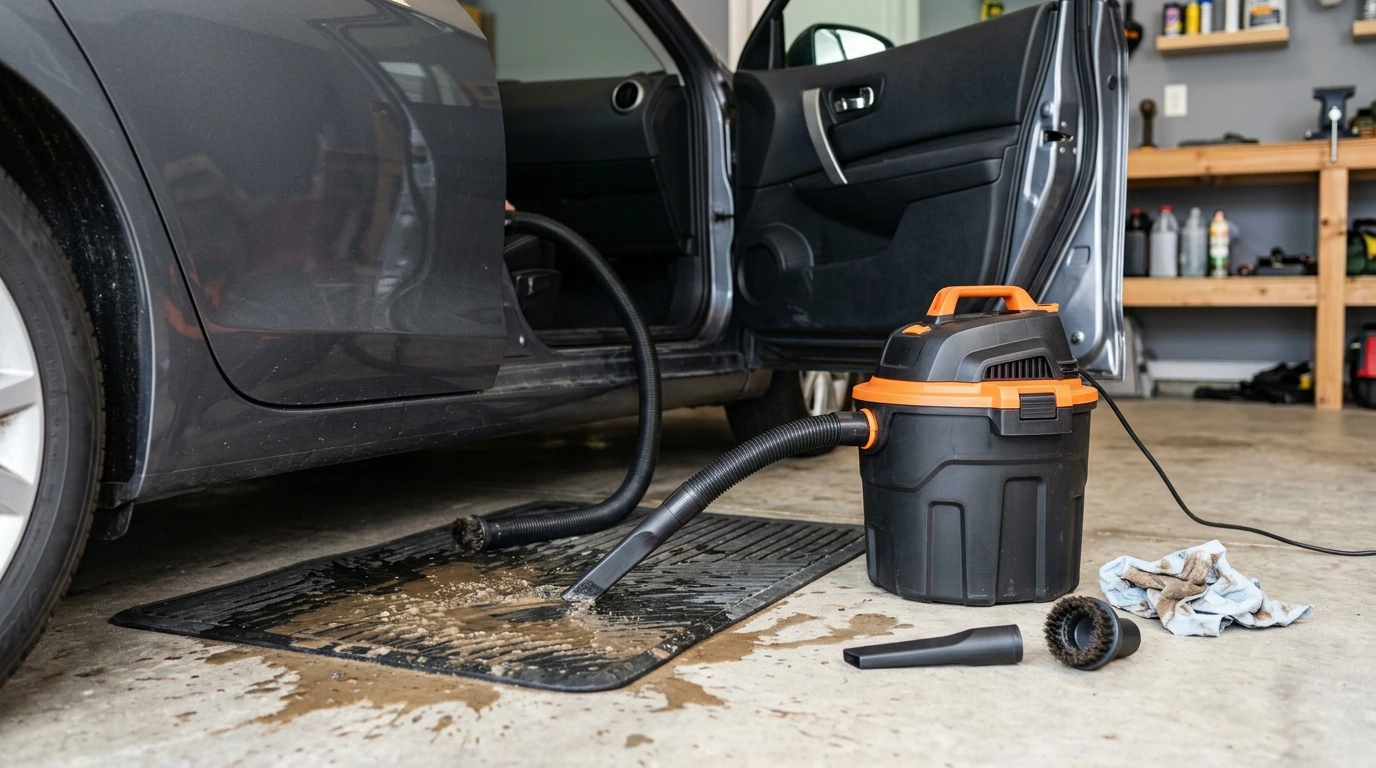
Small Wet Dry Vacuum: Compact Cleanup Power for Spills, Cars, and Tight Spaces
A compact wet dry vacuum is built for quick pickups that a broom, paper towels, or a standard household vacuum can’t handle—think drink spills, tracked-in mud, pet messes, and car interiors. The appeal is simple: grab it, clean it fast, and put it away without hauling a full-size shop vac or risking damage to a carpet-focused machine. Below is what a small unit does best, which features make the biggest day-to-day difference, and how to keep it running reliably over time.
What a Small Wet Dry Vacuum Is Best For
Small wet/dry models shine in “right now” messes and cramped areas where bigger machines feel clumsy. They’re especially handy when you want a dedicated cleanup tool stored in a closet, mudroom, garage shelf, or trunk.
- Fast response to liquid spills on hard floors and in garages, workshops, and basements
- Dry debris pickup: sawdust, sand, crumbs, pet hair, and small bits of dirt
- Car detailing: mats, footwells, seats, cupholders, and trunk corners
- Tight spaces where a full-size shop vacuum is bulky: closets, stairs, utility rooms
- Spot-cleaning after projects: drywall dust (small amounts), wood chips, and debris around workbenches
Key Features That Make a Compact Unit More Useful
Two compact vacuums can look similar on a shelf yet feel very different in real use. The most practical differences tend to be about setup speed (wet vs. dry), reach, and how annoying it is to empty and clean.
- Wet pickup design: Look for a sealed motor path and a tank intended for liquids, not just a “wet” claim on the box.
- Tank capacity that matches the job: Smaller tanks are easier to carry and pour out, but you’ll empty more often during bigger spills.
- Cord length and hose reach: Extra reach matters for car footwells, seat rails, stairs, and utility corners where outlets aren’t nearby.
- Attachments: A crevice tool for rails and corners, a utility nozzle for floors, and a brush tool for vents and dashboards make a small unit feel far more capable.
- Filters: Use a dry filter for dust and a setup appropriate for wet pickup; some models require a separate wet filter or foam sleeve.
- Drain and emptying: A wide opening and stable base reduce splash-back and “oops” tipping while carrying.
- Noise and portability: A solid carry handle, compact footprint, and balanced weight matter more than you’d think during frequent quick cleanups.
Quick fit guide: match the vacuum to common cleanup jobs
| Cleanup job | Recommended focus | Helpful attachments | Notes |
|---|---|---|---|
| Car interior (crumbs, sand) | Strong suction and long hose reach | Crevice tool, brush tool | Use a dry filter and tap/clean it often for consistent airflow |
| Kitchen spill (water/juice) | Wet pickup capability and easy emptying | Utility nozzle | Stop and empty before the tank gets too full to avoid leaks |
| Garage dust and small debris | Durable tank and easy filter access | Wide nozzle, crevice tool | Avoid hot ash and fine concrete dust unless the unit is rated for it |
| Pet messes (tracked-in mud) | Wet/dry versatility | Utility nozzle, brush tool | Rinse the tank after wet use to prevent odors |
Where Compact Wet Dry Vacuums Outperform Standard Household Vacuums
A standard indoor vacuum is often optimized for carpets, fine dust management, and quieter operation—not puddles or gritty debris. A compact wet/dry unit is purpose-built for messier scenarios and faster “grab-and-go” use.
- Liquid pickup without damaging the machine: Wet-rated tanks and setups are designed to collect water safely.
- Better tolerance for grit: Sand, tiny wood chips, and garage debris are less likely to wreck delicate floor heads or rollers.
- Simpler post-mess cleanup: Empty, rinse, dry, store—no worrying about soaked brush rolls or damp dust bins.
- Fewer fragile parts at the business end: Less risk of clogging or snapping a powered head on scattered debris.
- More flexibility for garage, shed, and car use: The design fits “dirty zones” where you’d rather not bring your main home vacuum.
For dust control during projects, especially when dealing with materials that can create hazardous fine particles, it’s smart to follow established safety guidance like OSHA’s overview on dust control methods (OSHA – Wet Methods and HEPA Vacuuming).
Limitations to Keep in Mind
Moisture left inside a closed tank can contribute to odor and mold issues, so it’s worth following practical moisture prevention guidance like the EPA’s recommendations (EPA – A Brief Guide to Mold, Moisture, and Your Home).
Product Pick: Small Wet Dry Vacuum
| Item | Price | Availability | Link |
|---|---|---|---|
| Small Wet Dry Vacuum | 61.51 USD | In stock | Small Wet Dry Vacuum |
Using a Wet Dry Vacuum Safely and Effectively
Maintenance That Prevents Odors and Keeps Suction Strong
More In-Stock Finds for a Tidy, Comfortable Space
- Kids Recliner Chair (a comfortable seating option for playrooms or family rooms)
- 42″ Grey Bathroom Vanity with Carrara Quartz Countertop (a storage-forward upgrade that can help reduce countertop clutter)
- Nordic Lava Led Floor Lamp (a statement lighting piece for reading corners or living spaces)
FAQ
Can a small wet dry vacuum pick up water safely?
Yes, as long as it’s configured for wet pickup with the correct filter or wet setup. Empty the tank before it gets too full, then rinse and dry the tank afterward to help prevent odors and mildew.
Can a wet dry vacuum replace a regular home vacuum?
It can handle many quick cleanups and tougher debris, but it may be louder and less convenient for everyday carpet cleaning. Many households use a wet/dry unit as a spill-and-garage companion to a standard vacuum.
How should the filter be cleaned after picking up fine dust?
Follow the directions for the specific filter type. In many cases, tapping out dust outdoors (and brushing gently) restores airflow, and washable filters should be fully dried before reinstalling.









Leave a comment