Budget Checklist Routine: Weekly Steps to Stay on Track
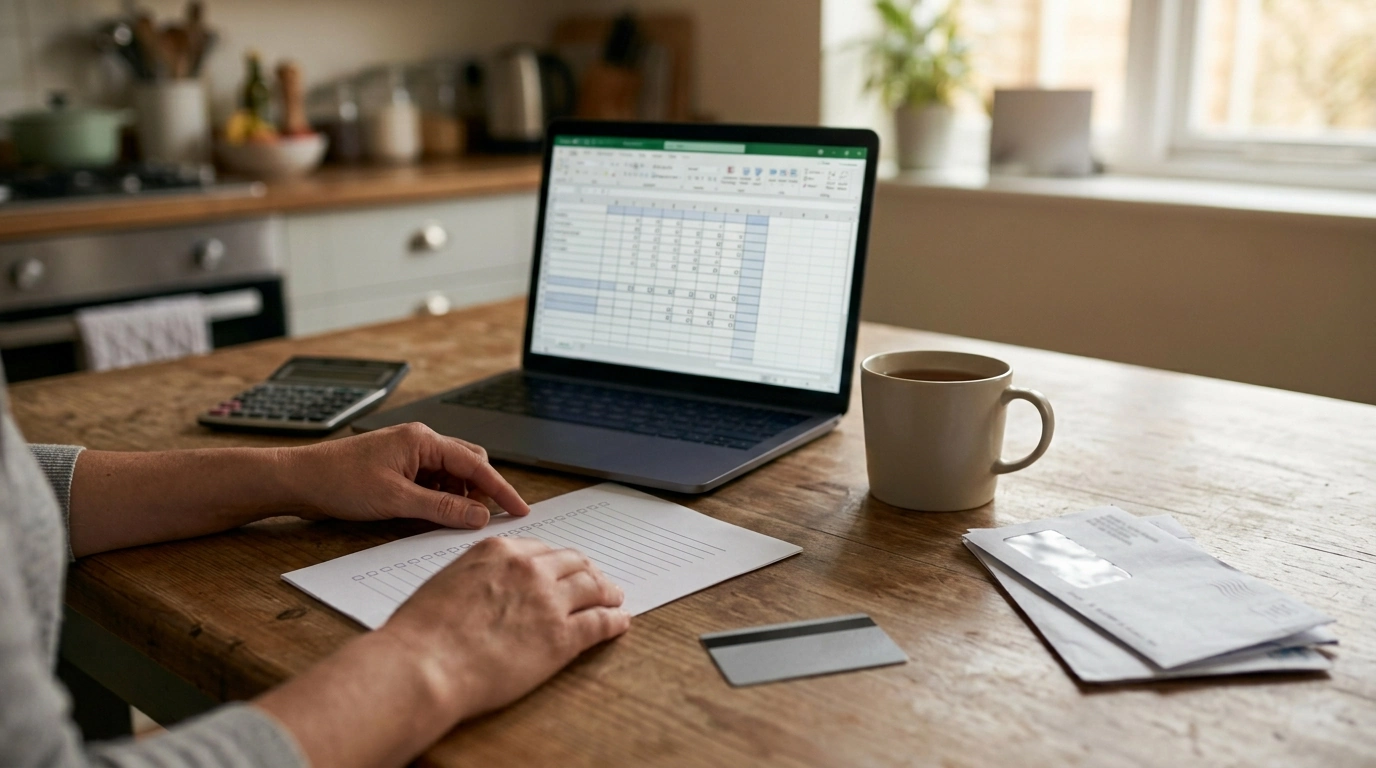
Budget Checklist: Stay on Track and Slay Your Spending
A simple checklist can turn budgeting from a once-a-month chore into a repeatable routine. Instead of relying on motivation (or perfect self-control), you’re using a clear list of steps you can follow every week. Below is an easy way to set up a practical budget checklist, track spending without overwhelm, and keep your money decisions consistent—whether you prefer a printable PDF or a digital format.
What a budget checklist does (and why it works)
A budget checklist is less about “being good with money” and more about building a system that works even when life gets busy. The right checklist keeps the important stuff visible and reduces the chances of small slip-ups turning into expensive problems.
- Creates a repeatable routine so budgeting doesn’t rely on motivation.
- Brings all money tasks into one place: income, bills, debt, savings, and spending limits.
- Reduces missed payments by pairing due dates with a quick review cadence.
- Makes progress visible with small weekly check-ins instead of one big monthly reckoning.
If you want an evidence-based starting point for budgeting basics, the Consumer Financial Protection Bureau (CFPB) and the FDIC Money Smart program both offer solid guidance on building budgeting habits that stick.
Set up your budget list in 15 minutes
You don’t need an elaborate spreadsheet to start. The goal is to get a complete, usable snapshot of your monthly money responsibilities and your flexible spending limits.
- List all income sources and typical pay dates. Use net (take-home) pay for accuracy. If your paychecks vary, the IRS Withholding Estimator can help reduce surprises from withholding changes.
- Write every fixed bill with due date and minimum payment. Think rent/mortgage, utilities, phone, internet, subscriptions, insurance, and childcare.
- Add variable essentials. Groceries, fuel/transportation, and household items—use recent bank/credit statements to estimate.
- Include annual and irregular expenses. Car registration, gifts, school fees, co-pays—divide the yearly total by 12 to create a monthly “sinking fund” amount.
- Decide on a simple savings rule. Many people start with: emergency fund first, then sinking funds, then goals.
Quick-start budget list categories
| Category | What to include | How to estimate |
|---|---|---|
| Income | Paychecks, side work, benefits | Use average of last 2–3 months |
| Fixed bills | Housing, insurance, subscriptions | Exact amounts + due dates |
| Variable essentials | Food, fuel, basic supplies | Average spending from bank/credit statements |
| Debt | Credit cards, loans, BNPL | Minimums + payoff extra |
| Savings & goals | Emergency fund, sinking funds, big goals | Set a starting amount, adjust monthly |
| Fun spending | Dining out, hobbies, extras | Cap it with a clear limit |
A checklist you can follow weekly (the “stay on track” routine)
The secret to staying on budget isn’t tracking every penny—it’s checking in often enough that you can course-correct early. A 10-minute weekly routine keeps you aware without turning money into a daily obsession.
- Pick a set day and time for a 10-minute check-in (Sunday evening works well for many).
- Review account balances and pending transactions so you’re working with real numbers.
- Confirm bills due in the next 7–10 days and move money to cover them.
- Log variable spending totals so far (groceries, fuel, eating out) and compare to your limits.
- Make one small adjustment immediately: pause a subscription, reduce one category, or schedule a payment.
- End with a quick win: transfer a small amount to savings to reinforce momentum.
When you do this weekly, you’re less likely to hit the end of the month wondering where everything went—and more likely to feel in control even if your month is unpredictable.
How to make a budget list printable PDF (and a digital version too)
A budget checklist works best when it’s easy to see and easy to update. Some people love paper for clarity; others want auto-totals. You can set up both without doubling the work.
Common budget list mistakes that derail progress (and quick fixes)
Make it easier: a ready-to-use digital budget checklist
Budget Checklist: Stay on Track & Slay Your Spending (Digital + Printable PDF) is designed for simple week-to-week use—whether you want to print it and keep it visible, or update it digitally.
Once your budget is steady, it’s also easier to plan purchases without guilt. For example, you can set a monthly sinking-fund amount toward a bigger home item like a Kids Recliner Chair or a statement piece like the Nordic Lava Led Floor Lamp—and know the money is already accounted for.
FAQ
What should be included in a simple budget checklist?
Include income, fixed bills with due dates, variable essentials, debt minimums (plus any planned extra payoff), savings goals, and a small buffer category. Add weekly checkboxes for reviewing balances, paying upcoming bills, and updating spending totals.
How often should a budget list be updated to stay on track?
A quick weekly check-in is ideal for tracking variable spending and upcoming bills, while a monthly reset helps you set new limits, account for irregular expenses, and adjust based on last month’s results.
Is a printable PDF budget better than a digital budget list?
Printable PDFs are great for visibility and routine, while digital lists are easier to edit and total automatically. Many people combine both by planning on paper and tracking updates digitally.











Leave a comment